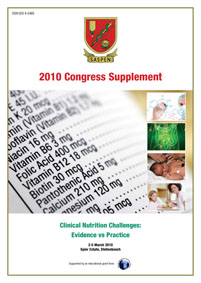
Information
The South African Journal of Clinical Nutrition (SAJCN) is the official joint publication of the Association for Dietetics in South Africa (https://adsa.org.za/),
the Nutrition Society of South Africa (https://www.nutritionsociety.co.za/) and the South African Society for Parenteral and Enteral Nutrition (https://saspen.co.za/).


Published by

Owner: RANGERIJO
Owner: BABON
https://nota4dsensasional.online/
https://2425.semnaspascauns.com/
https://amidibiblioteca.amidi.mx/
https://ojs.precision-agriculture.org/
Owner: OBS
https://asthadarma.unmerbaya.ac.id/>
https://revistas.ulima.edu.pe/>
Owner: JAYAKARTANS
https://gotanda-shinkyuseitaiin.com/
https://kudinaluxuryapartments.com/
https://luangprabang-tourism.org/
https://progresskalimantan.org/
Owner:SEOKNOLIMIT
https://explore-lombok-sumbawa.com/
https://ejournal.uin-suka.ac.id/tarbiyah/
Owner: sakatonic
Owner: Rangerijo
https://revistas.untumbes.edu.pe
https://slot777bonus100.online
https://revistascientificas.uach.mx/
https://revistas.univalle.edu.co/
https://colombiamedica.univalle.edu.co/
https://libros.univalle.edu.co
https://revistadefilosofia.ibero.mx/
https://jianis.lppm-ubsppni.com/
https://enfoquesjuridicos.uv.mx/
https://revistahorizontes.uv.mx/
https://lacienciayelhombre.uv.mx/
https://cienciadministrativa.uv.mx/
https://actacomportamentalia.uv.mx/
https://sciencejournalhub.org/
https://cours.digitalvoguewellness.com/
https://digitalvoguewellness.com/
https://ojp.lp2m.uinjambi.ac.id/
https://ojs.staialfurqan.ac.id/
https://ejournal.ummuba.ac.id/
https://jurnal.staim-probolinggo.ac.id/
Owner: sakatonic